


Solar heat pump hot water systems are often talked about, but rarely explained properly. Most people hear the phrase and assume it simply means solar panels heating water directly.
That is not how they work.
A solar heat pump system combines proven thermodynamics with modern control systems to heat water efficiently, particularly in warm climates like Brisbane. Understanding how they actually function makes it much easier to choose the right setup and avoid disappointment.
How a Solar Heat Pump Actually Heats Water
A heat pump does not create heat the way a traditional electric element does. Instead, it moves heat from one place to another.
In this case, it pulls heat from the surrounding air and transfers it into the water stored in the tank. This process uses far less electricity than direct heating.
The system operates using a refrigeration cycle, similar to an air conditioner or fridge, but running in reverse.
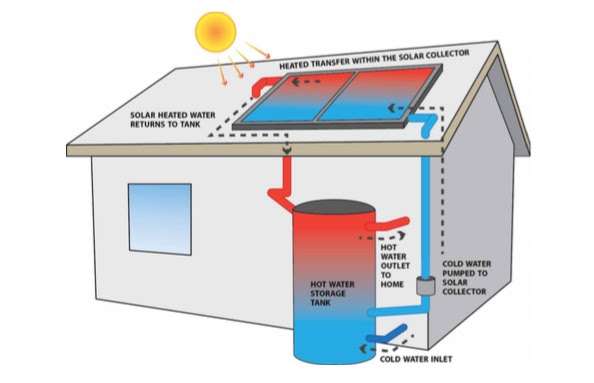
The Core Components of a Heat Pump System
Every solar heat pump system is built around the same essential parts.
The refrigerant circuit is the heart of the system. A refrigerant fluid circulates through a closed loop, absorbing heat from the air and releasing it into the water.
The evaporator captures warmth from the surrounding air.
The compressor increases the pressure and temperature of the refrigerant.
The condenser transfers that heat into the water tank.
The expansion valve reduces pressure so the cycle can begin again.
The outdoor air unit houses the fan and evaporator coil. This unit pulls ambient air across the coil so heat can be absorbed efficiently.
The hot water storage tank is designed to receive heat from the condenser rather than a standard heating element. Some tanks also include a backup heating option for specific conditions.
The control system monitors temperatures, pressure, and system performance to ensure efficient and safe operation.
Where the Solar Aspect Comes In
A heat pump does not rely on sunlight to operate. It relies on air temperature.
The solar component refers to pairing the heat pump with rooftop solar photovoltaic panels. These panels generate electricity, which can then be used to power the heat pump.
In simple terms, the solar panels generate electricity and the heat pump uses that electricity to move heat from the air into the water.
A heat pump can operate without solar panels, but the efficiency benefits are maximised when the two systems work together.
The Heat Transfer Cycle in Plain Language
Stripped of technical jargon, the process works like this.
A fan draws outside air over a cold coil.
Heat from the air warms the refrigerant inside the coil.
The compressor raises the temperature of the refrigerant.
That heat is transferred into the water tank.
The refrigerant cools and repeats the cycle.
This process allows the system to move several units of heat using only one unit of electricity, which is why heat pumps are considered highly efficient.

Performance Factors That Matter
Not all solar heat pump systems perform the same way. Their effectiveness depends on several real world factors.
Ambient air temperature plays a major role. Because heat pumps extract heat from the air, warmer climates allow them to operate more efficiently. This makes Brisbane and surrounding areas particularly suitable.
The coefficient of performance, known as COP, measures efficiency. It represents the ratio of heat output to electricity input. Higher COP values indicate greater efficiency.
Placement and airflow are critical. The outdoor unit must have adequate ventilation. Poor airflow reduces efficiency and increases wear on components.
Tank size must match household demand. A system that is too small will struggle during peak usage. One that is too large may cycle inefficiently.
Common System Configurations
There are two main ways solar heat pump systems are set up.
An air source heat pump on its own uses electricity from the grid to operate. It draws heat from ambient air and transfers it to the water tank.
This configuration suits homes without solar panels and still offers efficiency improvements over standard electric systems.
A solar PV and heat pump combination pairs rooftop solar panels with the heat pump. Solar generated electricity powers the heat pump during daylight hours.
This configuration reduces reliance on the grid and improves overall system efficiency.
Integrated Systems and Split Systems
Integrated systems combine the heat pump and water tank into a single unit. These are designed as matched systems and are often simpler to install.
Split systems separate the outdoor heat pump unit from the indoor water tank. This allows more flexibility in placement and can suit homes with space limitations.
Both designs can work well when installed correctly.
Control Systems and Smart Features
Modern solar heat pump systems often include advanced control features.
Temperature scheduling allows the system to heat water when solar output is highest.
Boost modes provide additional heating if demand exceeds normal operation.
Remote monitoring can display system performance and usage patterns.
Smart controllers prioritise solar energy before drawing from the grid.
These features improve efficiency but still rely on correct installation to deliver results.
Installation Factors That Influence Performance
Many underperforming systems are the result of poor installation rather than faulty equipment.
Adequate airflow around the outdoor unit is essential.
Pipe insulation must be properly installed to prevent heat loss.
Drainage for condensation needs to be correctly managed.
Electrical supply must be suitable for compressor operation.
Attention to these details determines how well the system performs long term.
Common Misunderstandings About Heat Pumps
Solar heat pumps do not require direct sunlight to operate. They use ambient air temperature.
They are not completely silent. Fans and compressors generate noise, although modern units are generally quiet when installed correctly.
They are not maintenance free. Periodic servicing helps maintain efficiency and reliability.
Questions Worth Asking Before Choosing a System
What is the system’s COP under typical Brisbane conditions?
How is airflow managed around the outdoor unit?
Can the system integrate with existing or future solar panels?
How does the system perform during extended cloudy periods?
How is condensation handled?
The Bottom Line
Solar heat pump hot water systems are based on well understood engineering principles rather than marketing hype.
When matched correctly to a home, installed properly, and integrated with solar where appropriate, they offer an efficient and reliable way to heat water in warm climates.
Understanding how they work and the options available allows homeowners to make informed decisions based on function rather than trends.
RJT Plumbing and Gas proudly services North Lakes and the surrounding Brisbane North area. Contact us today for your plumbing and gas solutions.
