


Noticed water dripping from a pipe near your hot water system? Or perhaps there’s a small puddle forming underneath the tank?
It’s something many homeowners discover by accident, usually when walking past their hot water unit or checking around the side of the house.
The good news is that not every drip means your hot water system is faulty. Some water discharge is part of normal operation, particularly with storage hot water systems.
However, knowing the difference between a normal drip and a developing problem could help you avoid a more expensive repair.
Here’s what Brisbane and Moreton Bay homeowners should look out for.
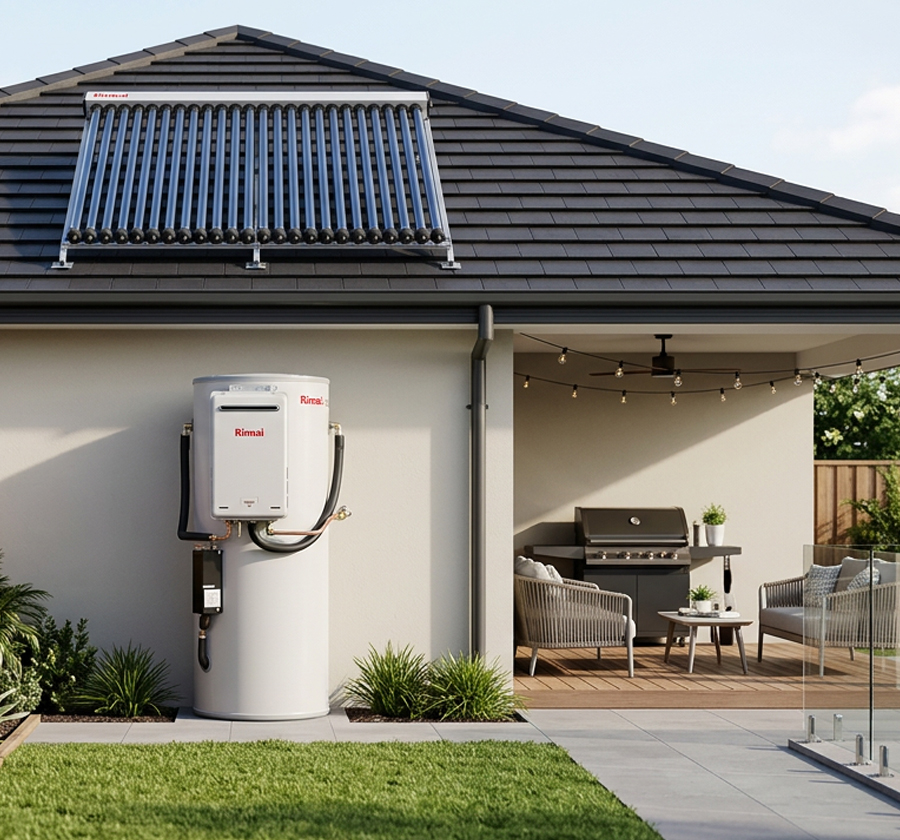
Why Do Hot Water Systems Drip Water?
When water heats up, it expands.
In a storage hot water system, this expansion increases pressure inside the tank. To manage that pressure safely, the system uses a temperature and pressure relief valve, often called a TPR valve.
Depending on the installation, there may also be an expansion control valve.
These valves can release small amounts of water during the heating cycle.
This means you might occasionally notice water dripping from a discharge pipe near your hot water unit, even when everything is working correctly.
The important distinction is how much water is escaping, how often it happens and where it’s coming from.
When Is Dripping Normal?
An occasional drip from the relief valve discharge pipe during a heating cycle is generally expected with many storage hot water systems.
You might notice it more frequently after your household has used a significant amount of hot water and the tank is heating up again.
What you shouldn’t ignore is a noticeable change in how the system behaves.
For example:
- Water continuously running from the discharge pipe.
- A steady stream instead of occasional dripping.
- A growing puddle around the base of the hot water unit.
- Water escaping from the tank itself or its connections.
- Unusual noises or changes in water temperature accompanying the leak.
These signs don’t automatically mean the entire hot water system needs replacing, but they’re worth investigating.
What Causes a Hot Water System to Leak?
There are several possible explanations, and the location of the water often provides useful clues.
1. A Worn or Faulty Relief Valve
Relief valves are important safety components, but they can deteriorate over time.
A valve that’s no longer sealing properly may continue releasing water even when the system isn’t actively heating.
In some cases, replacing a faulty valve may resolve the problem without needing to replace the entire hot water system.
2. Excessive Water Pressure
High mains water pressure can place additional strain on plumbing fixtures and hot water components.
If the pressure entering the system exceeds its intended operating range, a relief valve may discharge more frequently than expected.
A licensed plumber can check the pressure and determine whether the installation requires attention.
3. Leaking Pipe Connections
Not every hot water leak originates inside the tank.
Water may escape from pipe connections, fittings or valves attached to the system.
Because water travels down pipes and surfaces, the spot where it collects isn’t always where the leak begins.
4. Corrosion or Damage to the Tank
Storage hot water systems don’t last forever.
Over time, corrosion and deterioration can affect the tank, particularly as components age.
Water escaping directly from the tank body can indicate a more serious problem.
When the storage cylinder itself has failed, replacing individual external components usually won’t resolve the issue.
5. Temperature Control Problems
A hot water system that’s overheating may cause its safety valve to release excessive water.
This is particularly important because excessive temperature and pressure can create safety risks.
If you notice unusually hot water, steam or heavy discharge, arrange professional attention promptly.
How to Check Where the Water Is Coming From
You don’t need to dismantle your hot water system to gather some useful information.
Start with a visual inspection from a safe distance.
Look at where the water appears to be coming from. Is it dripping from the end of a discharge pipe, collecting beneath a fitting or running down the side of the tank?
Pay attention to whether the leak is occasional or continuous.
You can also note whether the system is still producing hot water normally.
These observations can help your plumber identify potential causes.
Never block a relief valve discharge pipe, interfere with safety valves or attempt to repair gas or electrical components yourself. Discharged water can be extremely hot.
If water is escaping heavily, or there’s a potential electrical hazard, keep clear and contact a licensed professional.
Does a Leaking Hot Water System Need Replacing?
Not necessarily.
A leaking connection, pressure issue or faulty valve may be repairable.
However, the situation is different if the storage tank itself has developed a leak.
The age of the system, its overall condition, the availability of replacement parts and the likely repair costs all influence whether repairing or replacing it makes more sense.
For homeowners in North Lakes and surrounding suburbs, it’s worth having the system assessed before deciding to purchase a replacement.
If replacement is required, it’s also an opportunity to consider whether your current system still suits your household’s hot water requirements.
Electric storage, gas continuous-flow, solar and heat pump systems all have different operating characteristics.
Choosing the right option depends on your household’s usage, existing installation and budget.
Hot Water Repairs and Replacement in North Lakes and Moreton Bay
If you’ve noticed unusual dripping, a persistent leak or water collecting around your hot water system, it’s worth having the issue checked before it develops further.
At RJT Plumbing & Gas, Reece provides hot water fault finding, repairs and replacement services across North Lakes, Mango Hill, Griffin, Kallangur, Murrumba Downs and surrounding Brisbane North suburbs.
Whether your system needs a straightforward repair or a complete replacement, RJT can assess the problem and help you understand your options.
Concerned about a leaking hot water system?
Call Reece on 0417 860 064 or visit RJT Plumbing & Gas to request assistance.
You can also explore RJT’s online hot water recommendation tool to compare options suited to your home.
